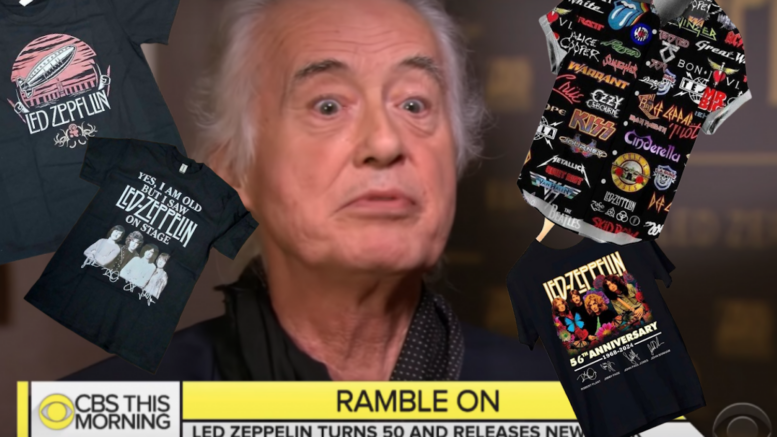
The packages arrive at a non-descript UPS Store located between Mexican and Chinese restaurants in a town in Indiana. Inside the parcels are T-shirts, posters and sometimes even metal wall signs.
But the names on the packages aren’t the real recipients of the parcels. Instead, they’re aliases used to mask the identity of the people who visit the store to collect the items.
The parcels are regularly collected by lawyers who drive almost an hour from Chicago, crossing over the state line from Illinois into Indiana. Once they arrive at the store, the packages are opened and their contents are carefully photographed.
This bizarre routine is part of a global campaign waged by Led Zeppelin in an attempt to stamp out online sales of unauthorised merchandise featuring the band’s name and logo.
Many brands file trademark lawsuits such as this. Indeed, the same Chicago law firm used by Led Zeppelin is known to also represent Iron Maiden, Microsoft and Warner Bros. Entertainment.
Led Zeppelin has filed a series of lawsuits in Indiana alleging that bootleg items are hurting the band’s brand and diverting fans away from purchasing legitimate merchandise.
Over the years, Led Zeppelin has spent thousands of dollars on the lawsuits as well as paying the Chicago law firm to purchase the bootleg items and research the identity of their sellers.
A review of US court filings by LedZepNews has found that Led Zeppelin has filed eight lawsuits aimed at counterfeit merchandise since 2020, an average of more than one new lawsuit per year.
Led Zeppelin isn’t the most litigious rock band, however. Iron Maiden has filed 13 lawsuits targeting bootleg merchandise sellers since 2020, we also found.
Led Zeppelin’s legal activity has been so extensive that earlier this month a judge in Indiana closed the group’s latest lawsuit filed in January, arguing that it was “nearly identical” to an ongoing lawsuit filed in the state last year and should be combined with it.
Led Zeppelin’s bootleg merchandise packages
Court filings by Led Zeppelin’s lawyers show the sometimes surreal range of bootleg items that accumulate in the Chicago office of the band’s law firm.
On the afternoon of May 20, a package containing a T-shirt was opened by the lawyers. “Yes, I am old but I saw Led Zeppelin on stage”, the shirt’s design read.
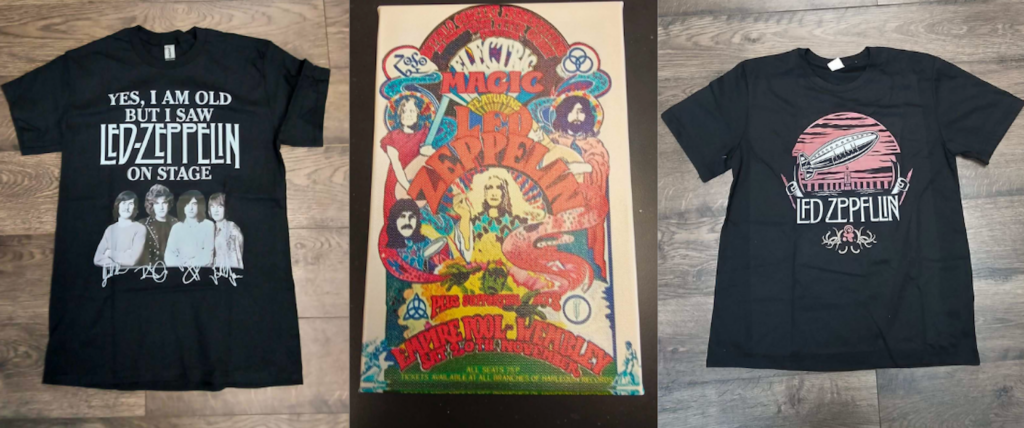
A week later on May 27, Led Zeppelin’s lawyers opened an envelope that arrived at the UPS Store. Inside was a poor quality print of a poster advertising Led Zeppelin’s November 20, 1971 performance in London.
One shirt ordered by the band’s lawyers appears to have been printed with a Led Zeppelin logo generated by artificial intelligence that read “Led Zppellin” [sic]. The lawyers closely examined the shirt on May 28, filings show, photographing the poor quality stitching on the inside of it.
Led Zeppelin v AlohaDaddy
Led Zeppelin’s trademark lawsuits target groups of online sellers, aiming to shut down multiple sales listings at once.
The group’s June 12, 2025 lawsuit was a typical example. Filed on behalf of Superhype Tapes, a UK business that owns Led Zeppelin’s trademark, it calls the band “one of the best-selling musical groups of all time”, noting its “massive success”.
“The success of the Led Zeppelin brand has resulted in significant counterfeiting of
Plaintiff’s Trademarks,” it claimed. The sale of these bootleg items “is likely to cause, and has caused, confusion, mistake, and deception by and among consumers and is irreparably harming Plaintiff,” the complaint alleged.
One of the defendants in the June 2025 lawsuit, a Hawaiian shirts website called AlohaDaddy, is an example of a typical online seller targetted by Led Zeppelin.
AlohaDaddy had been selling a “punk” Hawaiian shirt featuring the logos of bands including Led Zeppelin, The Who, Guns N’ Roses and Metallica.
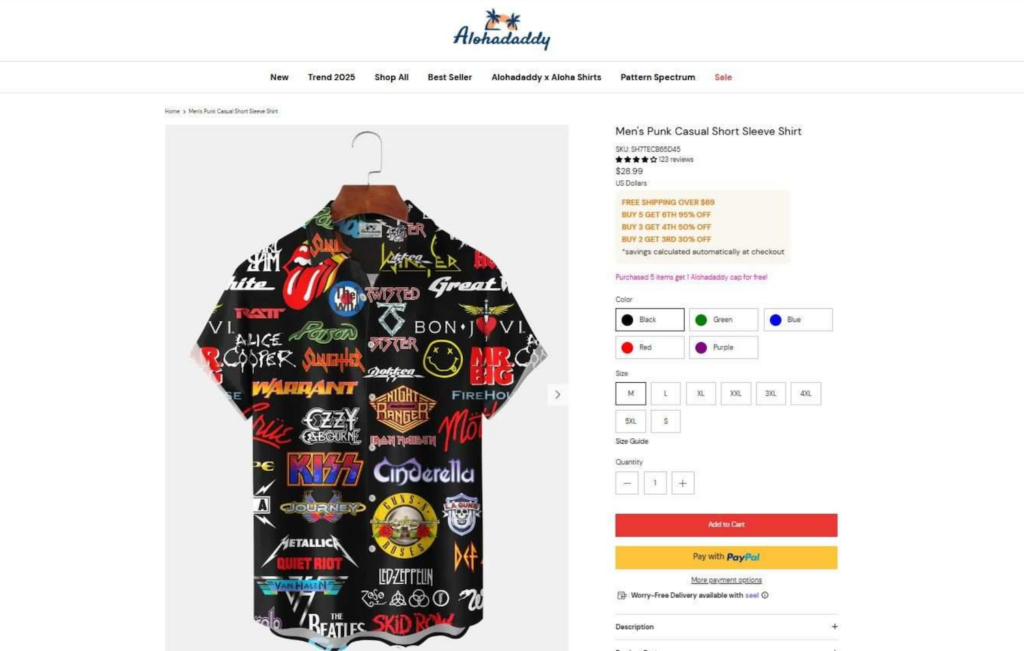
There was no indication on the AlohaDaddy website that the shirt wasn’t authorised. “Designed for the discerning gentleman, our shirts blend timeless style, unbeatable comfort, and just the right amount of ‘Dad Energy’”, the AlohaDaddy website states.
At 3.21pm on June 9, a Chicago lawyer paid $38.98 to order one of the “punk” shirts featuring Led Zeppelin’s logo.
Instead of ordering the shirt under their real name to the law firm’s office, they instead used an alias, sending the shirt to the UPS Store and placing the order using a Gmail email address. The use of aliases is a common tactic used by law firms seeking to gather evidence of alleged trademark infringement.
With the bootleg shirt ordered and $38.98 charged to a PayPal account, the lawyer needed to attempt to find who AlohaDaddy was and where they were based.
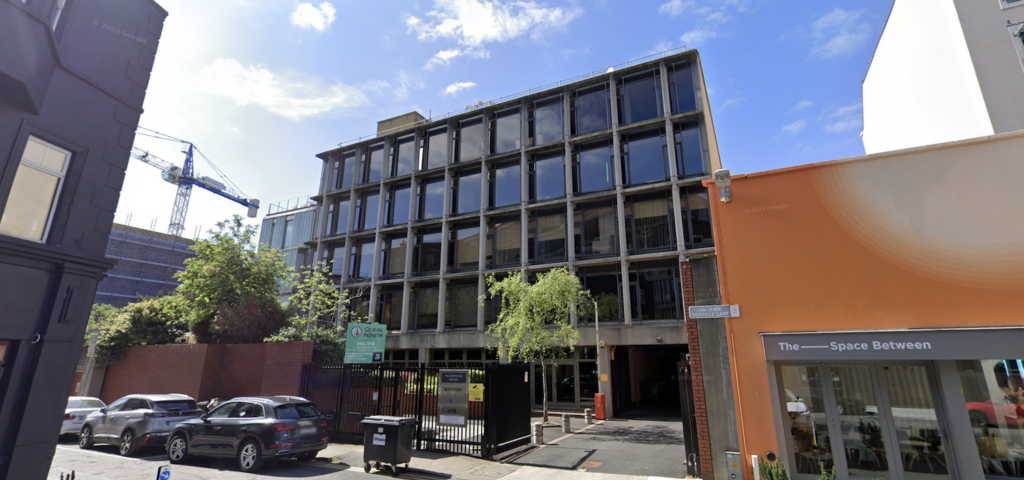
The site’s terms of use claimed that AlohaDaddy was based in an office building in Dublin, Ireland, legal filings show.
Meanwhile, the AlohaDaddy Facebook page claimed the business was based on a busy highway in Doraville, Georgia.
Led Zeppelin’s lawyers copied the addresses into Google Street View, looking at the buildings where AlohaDaddy claimed to operate from and saving screenshots of them to later file in court.

As the lawyers investigated further, a more likely headquarters for AlohaDaddy was discovered. The website’s Facebook page noted that a Chinese company named Henan Xinman Trade Co. ran the page.
The lawyers’ research found that the same Chinese company also claimed to run Beishin, an online seller of wigs and hair extensions. A Facebook page for that brand revealed another, more likely, address: An office building in Zhengzhou, China.

Contacting the sellers
With enough evidence to show that Chinese firms were selling bootleg Led Zeppelin goods, the material was collected into a lawsuit and filed in Indiana on June 12, three days after the AlohaDaddy shirt was purchased.
Led Zeppelin’s lawyers sought to freeze online stores on sites such as Etsy and Shein, removing the unauthorised items from sale.
Online sellers targetted in the lawsuit received emails from Led Zeppelin’s law firm warning them of the legal action.
“Hello, You are advised to seek U.S. counsel. We represent Superhype Tapes Limited (“Plaintiff” or “Led Zeppelin”), owner of the LED ZEPPELIN trademarks (“Led Zeppelin Trademarks”), in intellectual property enforcement matters,” an email from Led Zeppelin’s lawyers sent to a T-shirt seller in a similar lawsuit read.
“I have attached evidence showing you offering for sale and/or selling products that infringed the Led Zeppelin Trademarks. PayPal and Stripe records indicate that $39.42 is restrained in your PayPal and Stripe accounts,” it continued.
The law firm directed the T-shirt seller to a page on its website which included case documents from Led Zeppelin’s lawsuit. “To initiate resolution of this matter, contact Superhype Tapes Limited’s attorneys,” the page read in part, LedZepNews reported in January.
Many online sellers co-operated, removing the bootleg items from sale. AlohaDaddy was one such seller.
The “punk” shirt featuring the Led Zeppelin logo vanished from the AlohaDaddy website. On August 15, Led Zeppelin’s lawyers filed a document with the court removing a handful of online sellers including AlohaDaddy as defendants in the lawsuit. The sellers had “resolved all underlying claims” with Led Zeppelin, the filing explained.
Chinese companies fight back
For Chinese companies selling goods online, these trademark actions threaten their revenues and ability to sell items online.
Chinese websites and online forums frequently swap tips on which brands are taking legal action as well as which law firms represent them.
One Chinese website claims that Led Zeppelin’s lawyers’ “negotiation and handling style largely follows GBC’s approach, with settlement rates slightly lower than those handled by GBC,” referring to the former employer of one of Led Zeppelin’s lawyers.
Chinese companies even share lists of delivery addresses used by the law firm to receive parcels, helping them to avoid accidentally shipping evidence of trademark infringement directly to a mailbox used by the business. So far, the address of the UPS Store used by Led Zeppelin’s lawyers hasn’t been found and added to the list.
AlohaDaddy did not respond to a request for comment.
Be the first to comment on "Fake names and online investigations: Inside Led Zeppelin’s global war on bootleg merchandise"